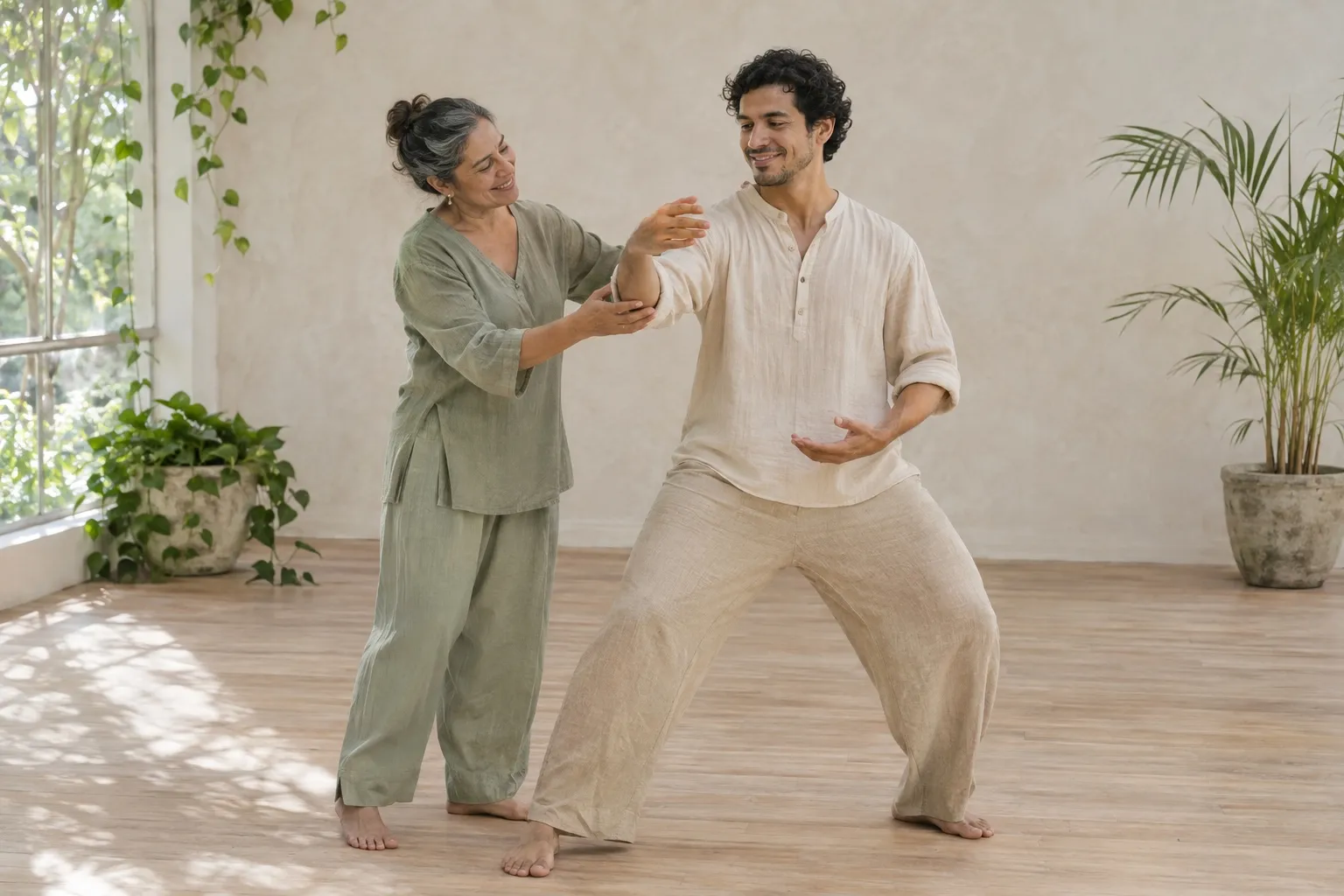
Emotional education
Understand what you feel before you respond.
Observe what you notice in your body when something unsettles you. Put what you feel into words and explore a pause before choosing how to respond.

What it is
What happens in your body
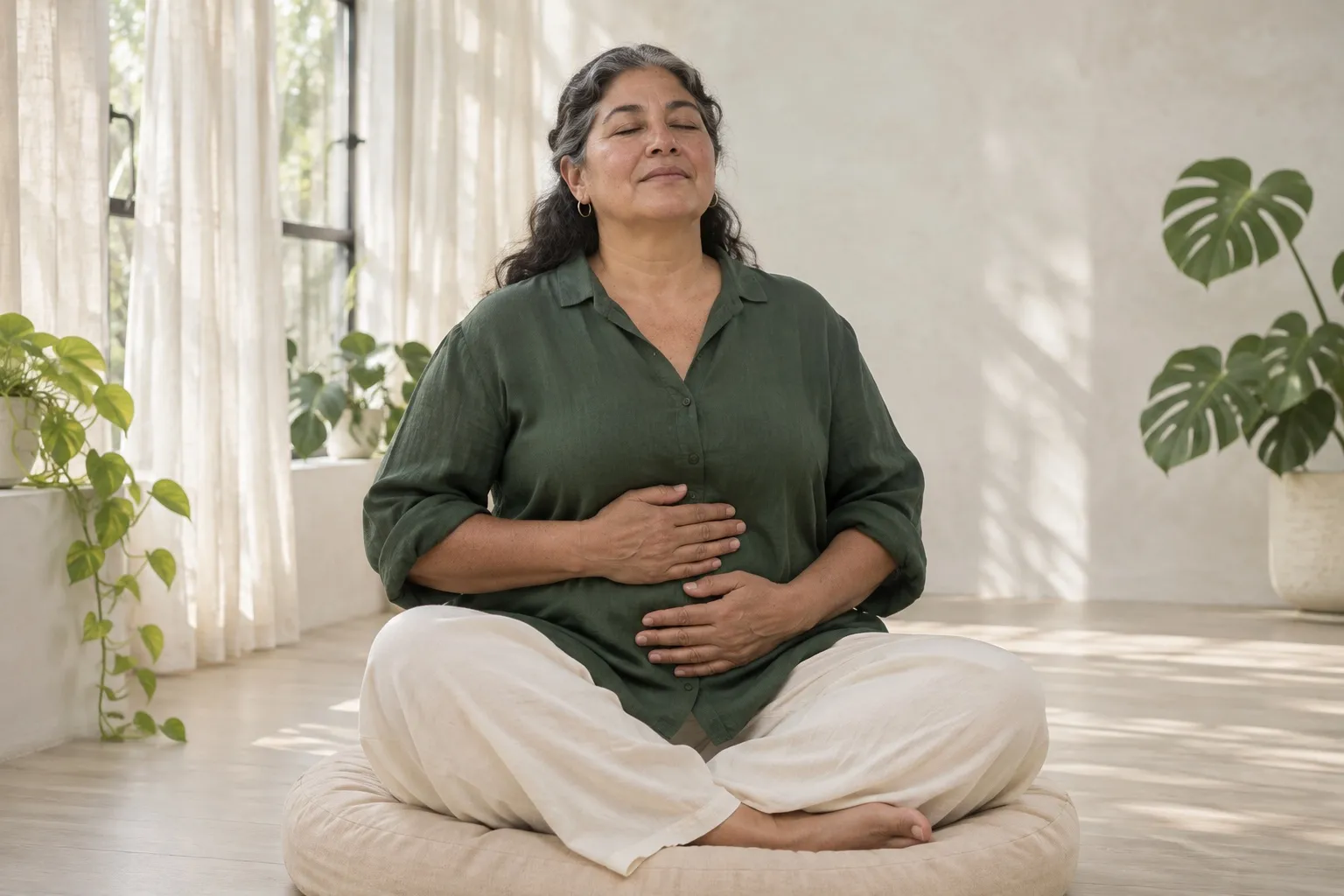
When you feel stress, you may notice tense shoulders, a clenched jaw, or a change in your breathing. The starting point is to observe what comes up for you and in which situations. You can describe those signals in everyday words, without rushing to interpret them.
What you can practice
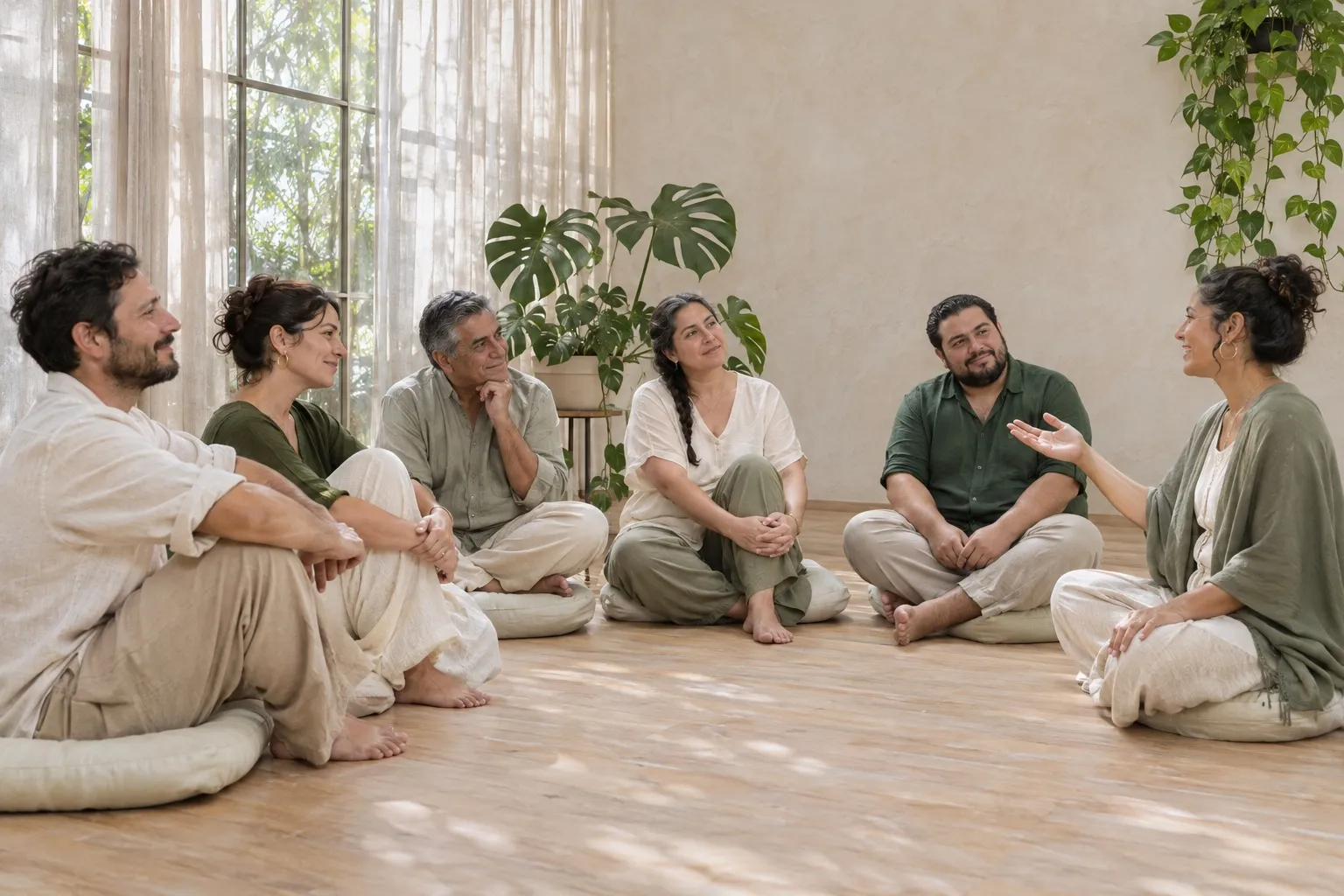
Think of an everyday situation and observe how you react: what you feel, what you think, and what you do. You can name an emotion, pause, and consider how you want to respond. The aim is to explore your experience with attention, without demanding that you feel something different.
What you'll practice
Recognizing signs of stress
Observe your shoulders, your hands, and your breathing. Describe what you notice as you recall a situation that unsettles you.
Naming an emotion
Look for a word for what you feel. You can start with anger, sadness, or joy and notice whether that word describes your experience.
A breathing pause
Pause and observe the air moving in and out, without forcing the rhythm. Notice what you’re feeling before you continue.
An exercise for the week
Choose an everyday moment to stop and ask yourself what you feel. Later, recall what you noticed and how you responded.

Who it's for
You can explore this topic if you want to observe your everyday reactions and put what you feel into words. Here are a few starting points for exploring it:
- You’re interested in recognizing what you notice in your body when something unsettles you.
- You want to take a moment to name your emotions.
- You’re looking to practice pausing before responding in a conversation.
How to practice it
Check the calendar to see which formats are available for this practice on each date.
In-person classes
Practice in a group, with someone to guide you through each movement.
Online programs
Join live sessions or choose a program you can follow at your own pace.
Workshops
Spend one or several days exploring a topic and putting it into practice.
Gatherings
Share questions and experiences with specialists and others interested in wellbeing.
Frequently asked questions
Is this therapy?
No. These are educational programs: you explore bodily signals, emotions, and pauses in everyday situations, with tools you can bring into your day.
Do I need any prior knowledge?
No. You can start without any knowledge of neuroscience: each practice is explained step by step.
What are the sessions like?
We start with everyday situations: you observe what you notice in your body, name what you feel, and practice pausing before responding. When you book, we’ll explain what to expect from the session you choose.
Is it individual or in a group?
It depends on the format: classes and workshops take place in groups, and you can follow online programs at your own pace. We’ll confirm the details when you book.
Are there materials to take home?
Bring a notebook if you like to take notes. If the activity includes materials to take home, we’ll share them during the session.
What do I need to bring?
Comfortable clothing and, if you like, a notebook. It also helps to think of an everyday situation you’d like to observe. If a particular session requires anything else, we’ll let you know when we confirm your booking.
How do I choose a format?
Think about which aspect of your emotions you want to explore and how you’d like to participate. Check the calendar for dates and formats; if you’re unsure which to choose, send us a message about what you’re looking for.

Make room for your first session.
Choose what you would like to practice and find a date that works for you.